
The Art of Conversation Creates Art

It was a lovely morning yesterday. Seth and I tried a new LaVazza variety (falling off the wagon a bit on this aspect of Zero For Six-ing, but more on that later) on the balcony. We likened the rustling of the Aspen leaves to the feel of clean cotton sheets, the breezes in the pines and the birdsong to music.

The conversation went and wound its way here and there, and somewhere in there I had a fantastic idea–a doable, practical example of how to remind our government that indeed, they work for us. I won’t go into the particulars of the idea, because I want to talk about the power of conversation.

We’re meant to have it, and it’s meant to produce ideas, solutions, revelations. It’s meant to connect hearts and minds and put us in the creativity zone. So, if our conversations aren’t producing this magical marvel, especially when we’re talking with our adult children, we can examine ourselves.

Do we listen carefully and thoughtfully? Do we interrupt? Do we have to be right? Are we taking a parental role when our family members are not asking for that? Just as we’re extra polite and considerate in our conversations with non-family folks, are we also with our beloveds? Do we remember that sometimes hearts simply want to be heard–not to hear our opinion?

When we don’t know the answer do we simply say, “I don’t know, but I will pray for wisdom, and I will pray for you to have wisdom, and all will be well”?

It’s helpful to remember that those who talk the most and loudest are often drowning out the words of those with the deepest and best thoughts. Just in case you’re like me, and maybe are a bit chatty, it could be time to put some art into our conversation.
It’s “Raising Mannerly Children,” Not, “Ignoring Aggravating Miniature Terrorists”

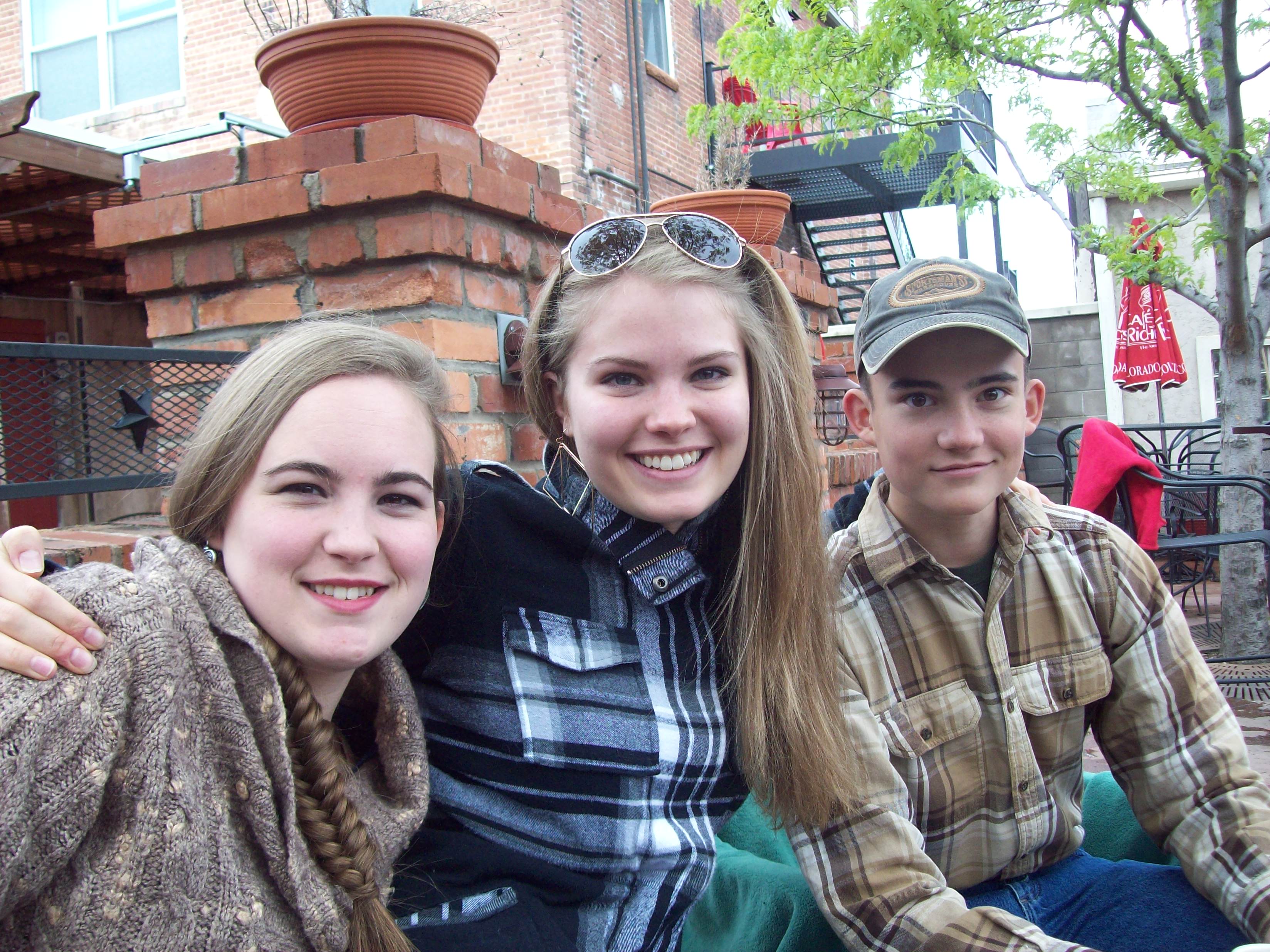
Note:   This picture was taken Mother’s Day, 2015, but I am pairing it with an article written in 2010, as I consider it worth repeating.

100_6406

The Importance of RAISING MANNERLY CHILDREN cannot be overemphasized. Manners are, in essence, simply the thoughtful consideration of the needs and wants of others.

The Golden Rule is so named because if you learn it, all else of value follows.

And if you don’t . . .

A life of misery–for you, your child, your child’s spouse and children and coworkers, neighbors–is what’s in store if you don’t teach your children manners.

Or, let’s look at it another way: Teach your children to think of others and they will naturally have manners.

This is an ongoing task (see the article’s end for how to begin with ease and quick results), but the rewards are commensurate with the effort.

Seth, (a 10-year-old), has an excess of energy, and sometimes tears through the house like a dervish. Recently he raced past the girls and me, who were having a pleasant conversation, yelling and brushing against us.

It was time for conscious parenting. Time to heed that little voice in my head that said, “Stop what you’re doing, stop having a nice chat with your girls, and deal with this.” So I stopped.

IT’S MY JOB.

Not fun, but necessary. I will not be the mother of a hellion, who thinks the conversations and happiness of others beneath his time and consideration.

Yes, we all know someone like this. An adult. Not a pretty picture.

Remember: If you don’t care enough to teach your child to be kind and considerate, who will?

But how?  Where to begin?  An excellent place to start is with Munro Leaf’s books, those loved and still remembered by my kids–Manners Can Be Fun, How to Behave and Why, and How to Speak Politely and Why.

Fun, funny, great illustrations, and effective:  Munro Leaf.